Mobile QA Leadership at ALDI SUD
Planned and executed manual and automated test coverage for a United States e-commerce mobile app, while maintaining nightly execution pipelines and supporting the Mobile QA team as lead expert.
Biography
I was born in the early '80s, and I grew up with one eye on the present and the other fixed on the future, mostly the one I watched on satellite TV. Star Trek and Knight Rider were not just shows to me; they were glimpses of a world that felt inevitable and impossibly far away at the same time. I wanted to live in that future.
Then the real future arrived anyway, quietly, unevenly, and in ways that ended up defying my wildest dreams. The line between science fiction and everyday life kept getting thinner: more computing power, more connectivity, more possibility, year after year. By the late '90s I got my first own computer, already outdated when it became "mine," with a black-and-white VGA monitor that made every pixel feel earned. I didn't care. It was a doorway.
Not long after, a friend and I built our first website on his family's computer and uploaded it to CompuServe. It was about the Doomtrooper card game, which we loved enough to carve out a tiny corner of the internet for it, back when the internet still felt like a set of small rooms you had to know how to find.
I found my people on IRC. I loved the immediacy of it, the culture, the commands, the strange little rituals, and eventually the urge to tinker took over. I wrote small personal bots and scripts, not for scale or polish, but because it was fun to make the system respond to me. That rhythm, curiosity, experimentation, iteration, stuck.
In 2005 I joined the IT industry as a tester. It trained my attention on details: how systems fail, how people use things in unexpected ways, and how tiny changes can ripple outward. It also gave me a broad view of technologies across very different domains, e-commerce, telco, and navigation, enough variety to keep me curious and enough complexity to keep me honest. When the first Raspberry Pi came out, I set one up as soon as I could, my first proper server, quietly doing real work in the background. Over time, the Pi was replaced with a more capable personal server and an expanding universe of self-hosted services, mostly containerized and managed through Docker. My home lab became equal parts utility and playground: practical, evolving, and always slightly unfinished.
In 2017 I got into 3D printing with an Anet A8, temperamental, demanding, and therefore perfect. I modified it heavily (as you do), then moved on to an Ender 3, then an Anycubic Mega S, and now I'm using a Bambu Lab P1S. Along the way I learned Fusion 360 and picked up the basics of CAD, designing and printing functional parts, improvements, and the occasional "why not?" object that only makes sense once it exists. What I love most is the prototyping loop: printing partial designs, test-fitting them, tweaking dimensions, and iterating until everything clicks together the way it should.
More recently, the rise of AI brought back that old feeling I had watching satellite sci-fi: the future showing up again, not as a story but as tools I can actually use. I've embraced it, not as a replacement for thinking, but as an amplifier for exploration and a way to push into unfamiliar territory.
I hold strong opinions weakly: I care enough to commit, but I'm happy to change my mind when the evidence earns it. I still like systems that feel a little like science fiction, only now they're running on a server in the next room.
Professional
Planned and executed manual and automated test coverage for a United States e-commerce mobile app, while maintaining nightly execution pipelines and supporting the Mobile QA team as lead expert.
Helped build a unified automation framework to validate one loyalty app codebase across multiple platforms and languages, including physical device lab and CI/CD process ownership.
Contributed to Java-based backend and web UI test automation frameworks, translating business requirements into maintainable automated scenarios for fast and reliable release cycles.
Personal
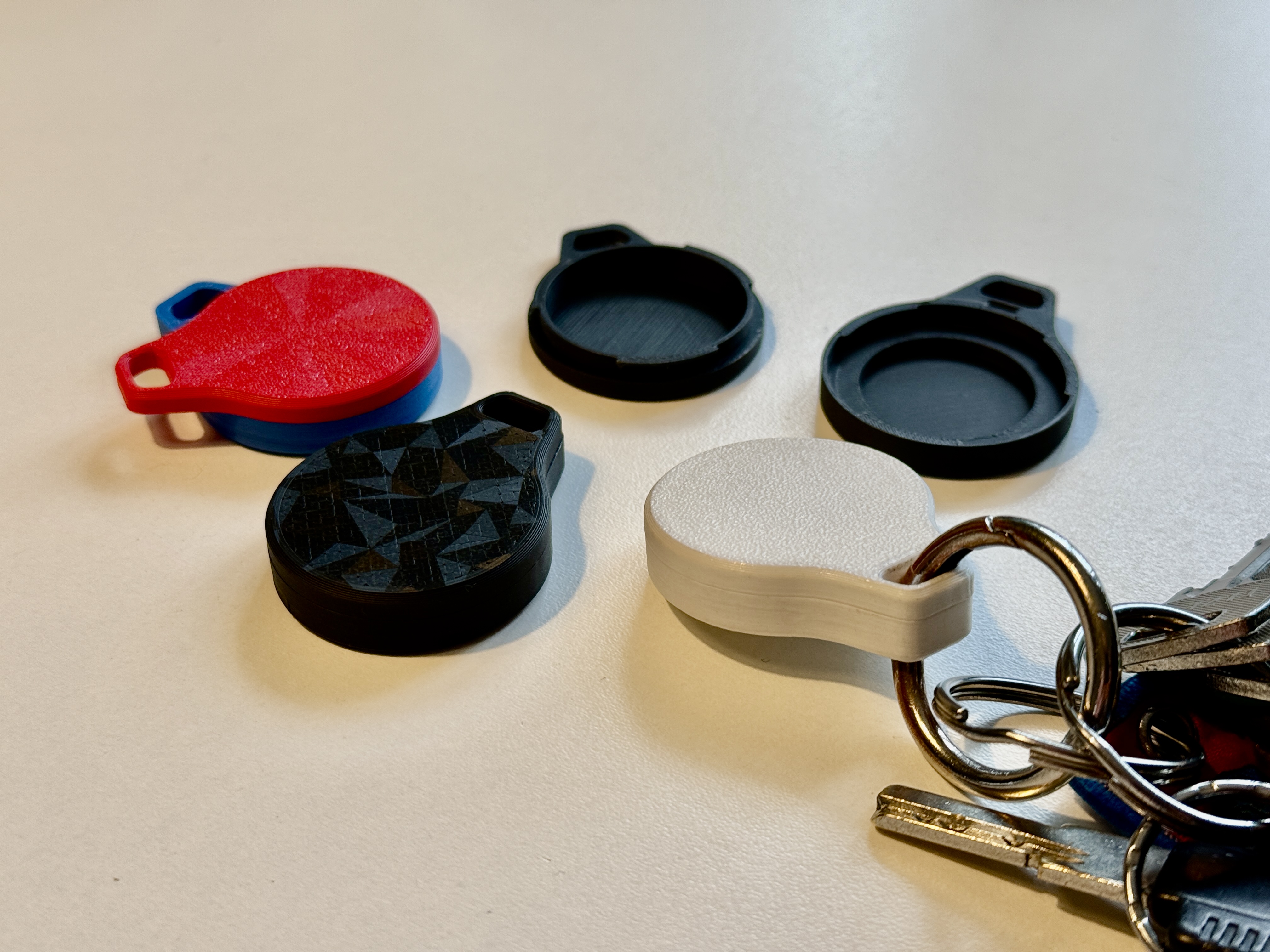
Popular utility design with high community adoption on MakerWorld.
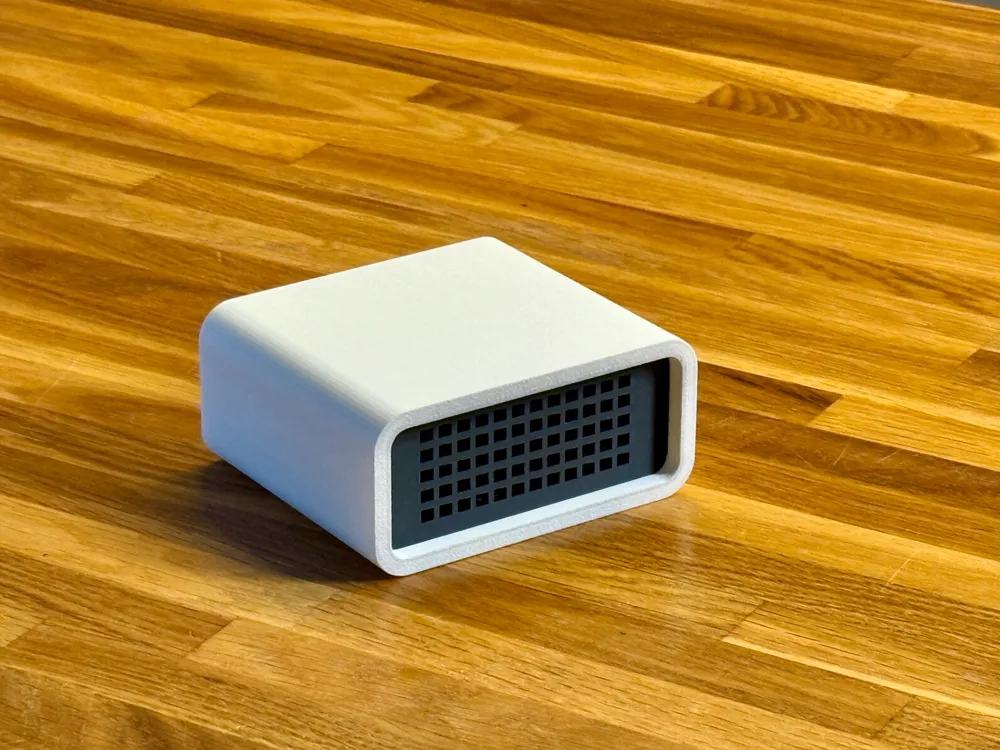
Living-room-ready case design for Home Assistant Wyoming Satellite builds.

Print-in-place Raspberry Pi Zero case with a compact hinged design.
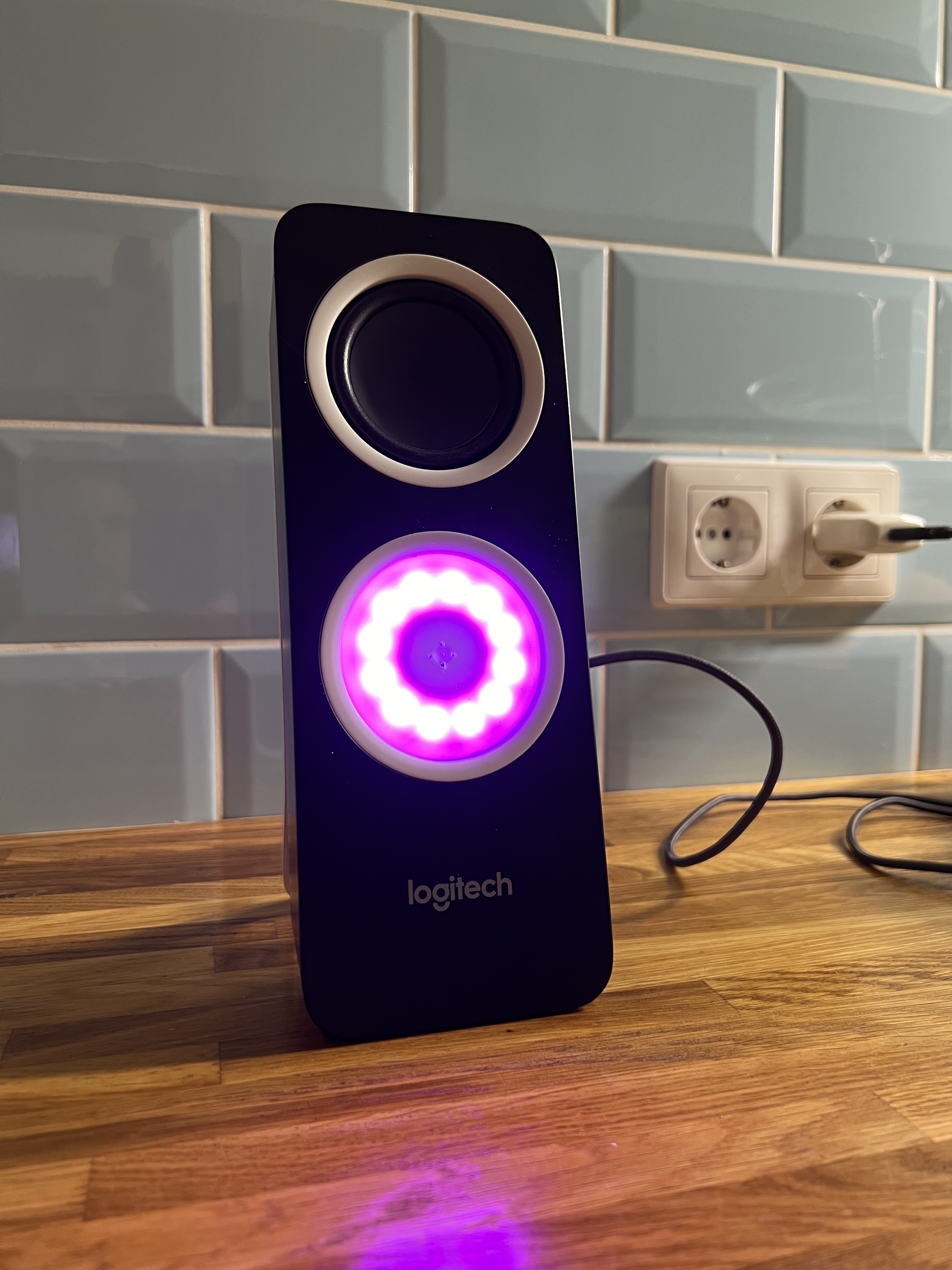
My first DIY voice assistant build, based on an ESP32 and tucked into a regular Logitech PC speaker to turn an everyday desktop accessory into a working prototype.
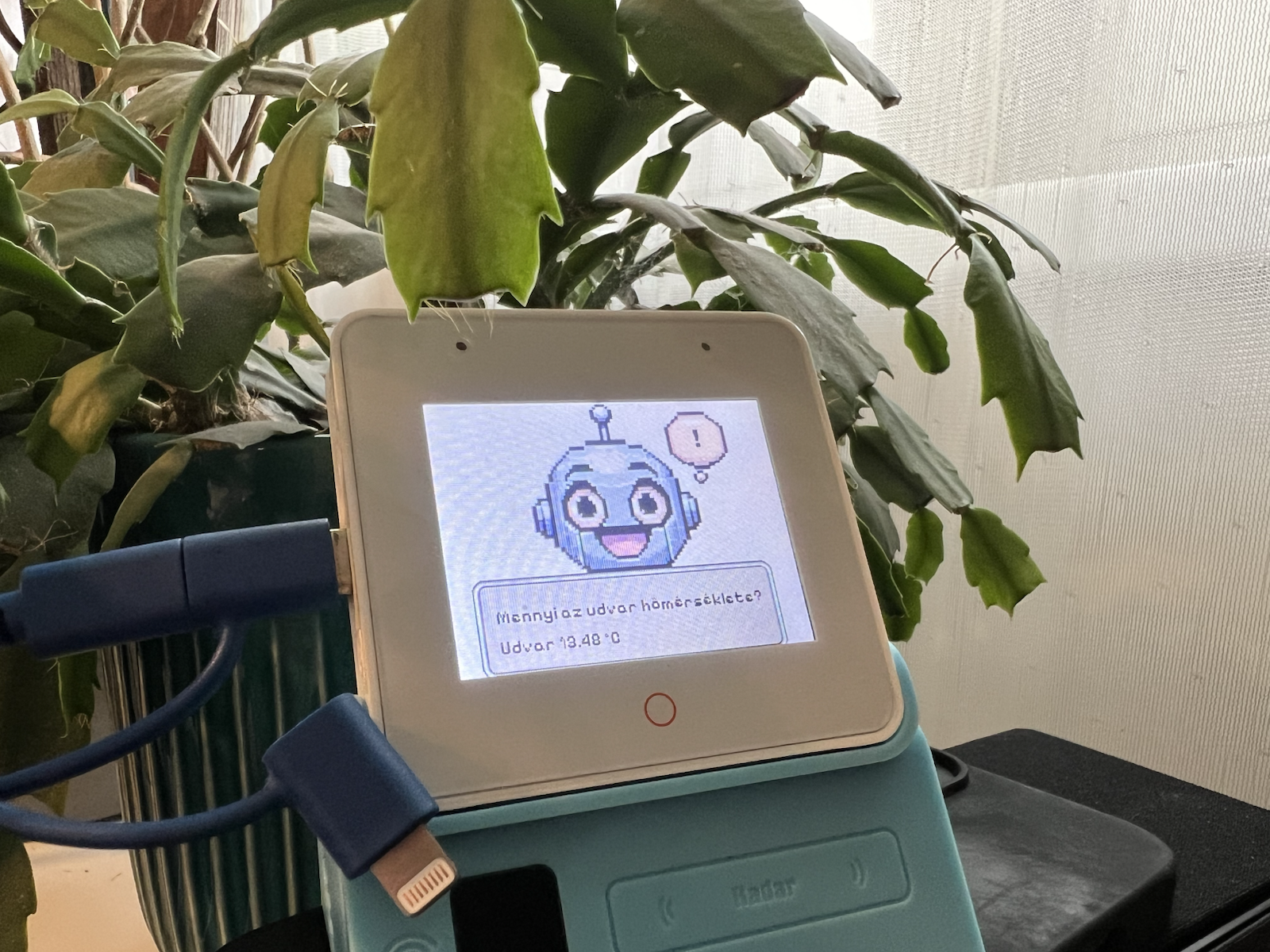
A refined follow-up build using the ESP32-S3-BOX-3, where I added the live conversation text to the screen. The project was later mentioned in Home Assistant's Voice Assistant Community Contest winners announcement.
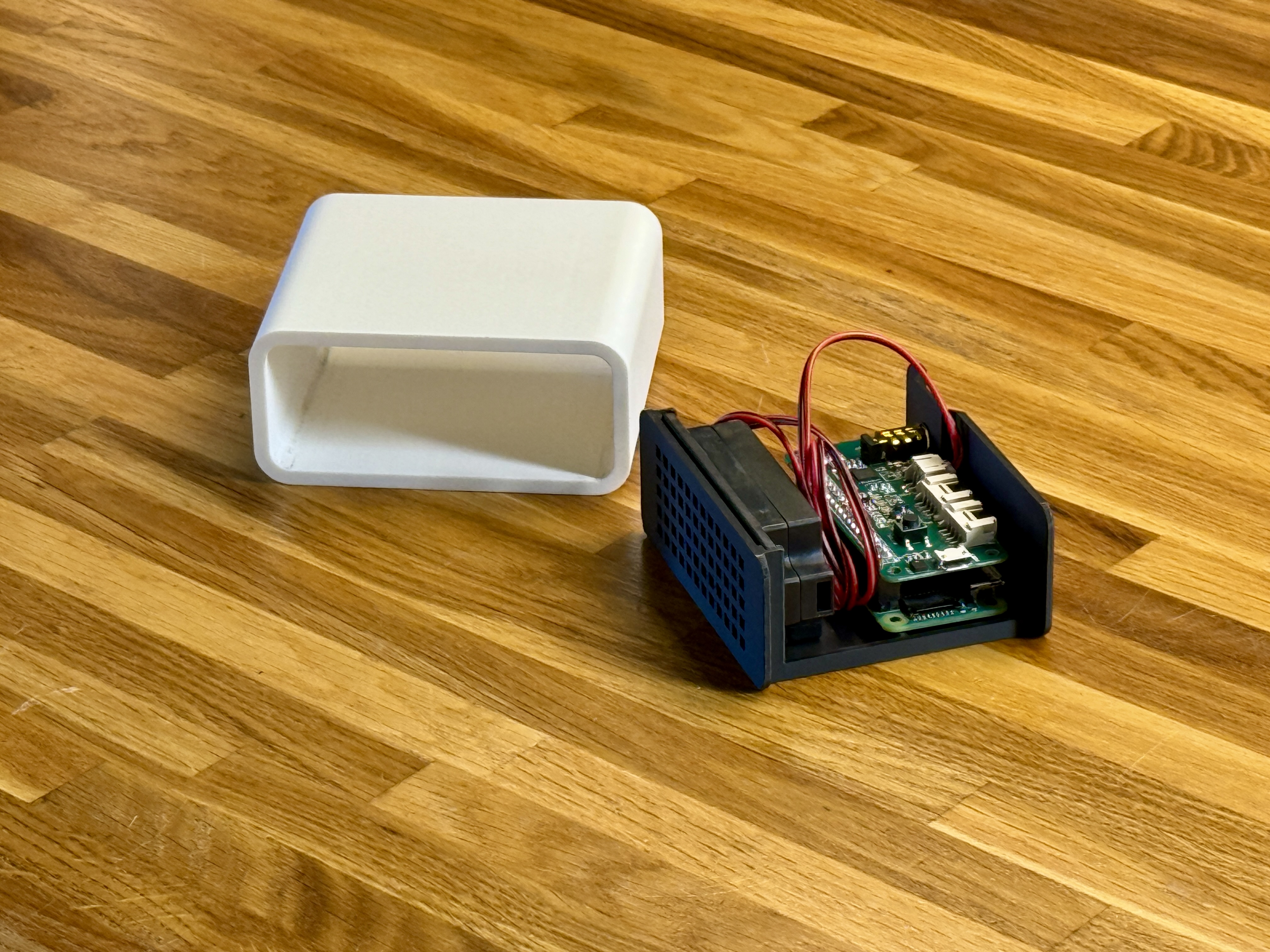
A minimalistic 3D-printed housing for the Wyoming Satellite, built to give the hardware a cleaner, more intentional presence as part of a DIY voice assistant setup.